why
Every one of these plants evolved somewhere specific. That is worth understanding.
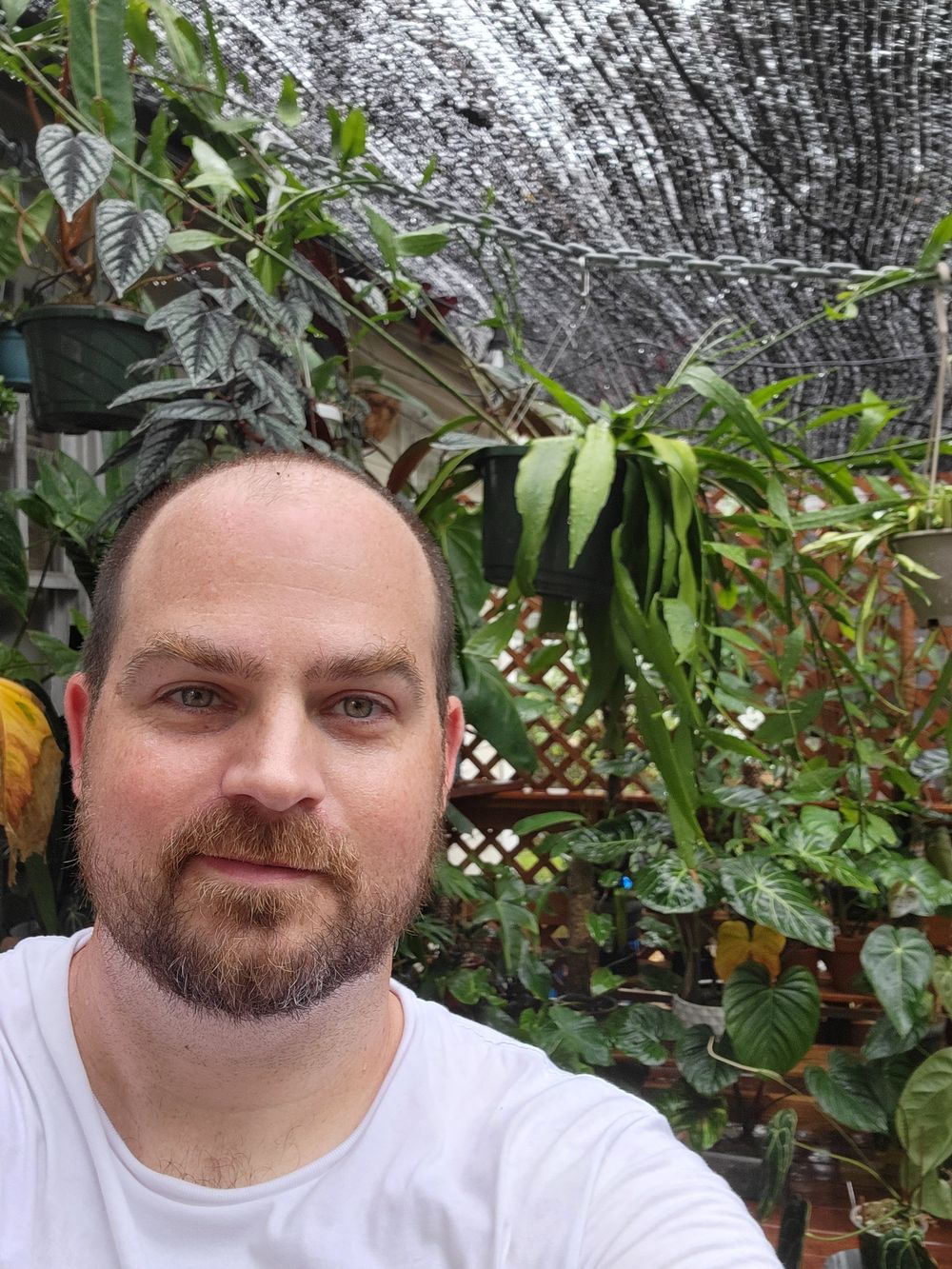
I grew up in Florida and took the climate for granted. Often a nuisance, sometimes dangerous - hot, humid, frequently stormy. Many weekends were spent camping in palm hammocks and pine forests among the plants that learned and evolved to those conditions, though. It wasn't until I left that I understood what I'd been walking past.
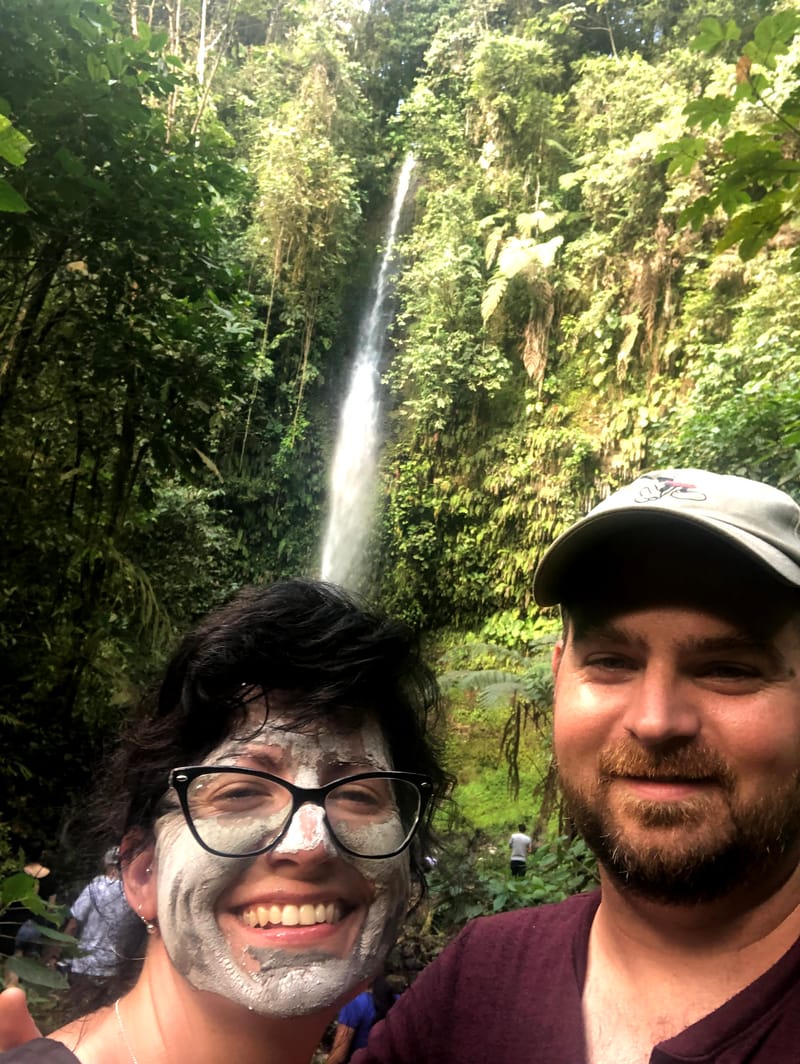
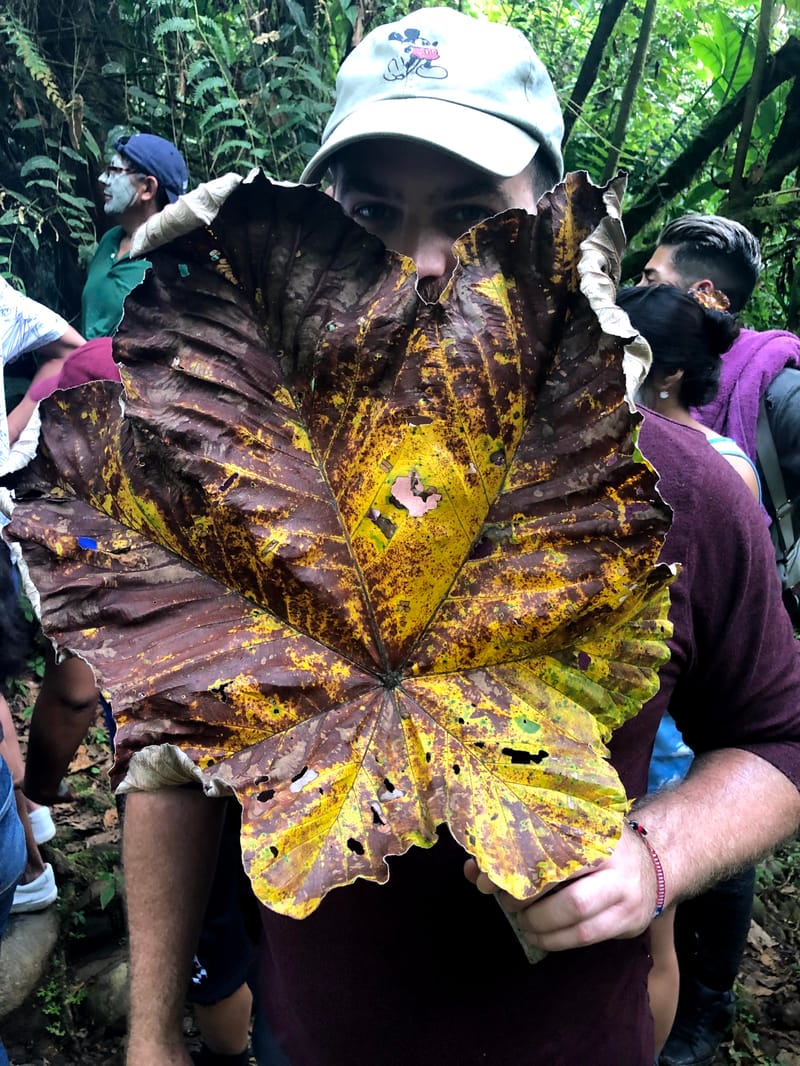
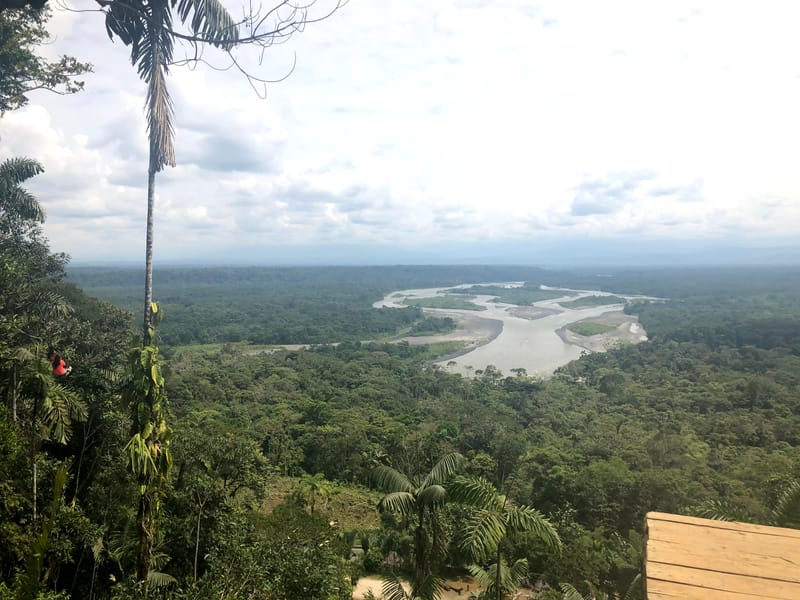
A trip to Ecuador, and a trek into the western rim of the Amazon, brought back a realization I only brushed against as a kid - these plants are from somewhere. They evolved in specific ecosystems and among specific geologies over millions of years. My favorite plants didn't emerge from a pot on a windowsill or a greenhouse table - they started in cloud forests, on mountain slopes and Andean river valleys and places most people will never see. I returned from Ecuador with something I hadn't expected - the Amazon I'd been fascinated by as a kid was still there, and so was the part of me that had always wanted to be in it.
And then my brother died, November 2019, and the world stopped. And then, again, the world really, really stopped. COVID reminded a lot of us that time is short and things we appreciate should be explored and respected and understood - not for our own sake, but to bear witness.
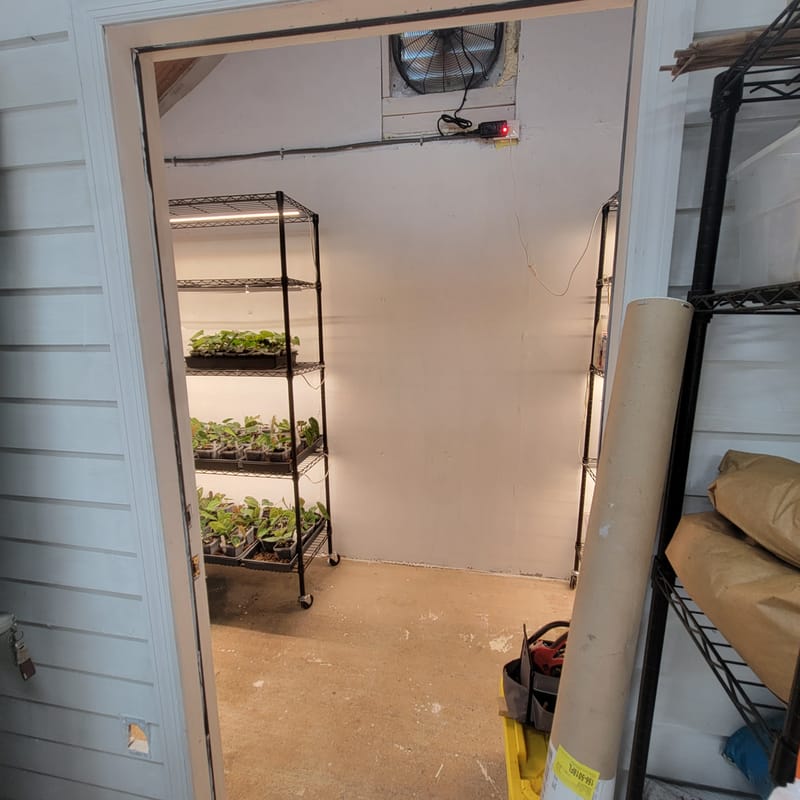
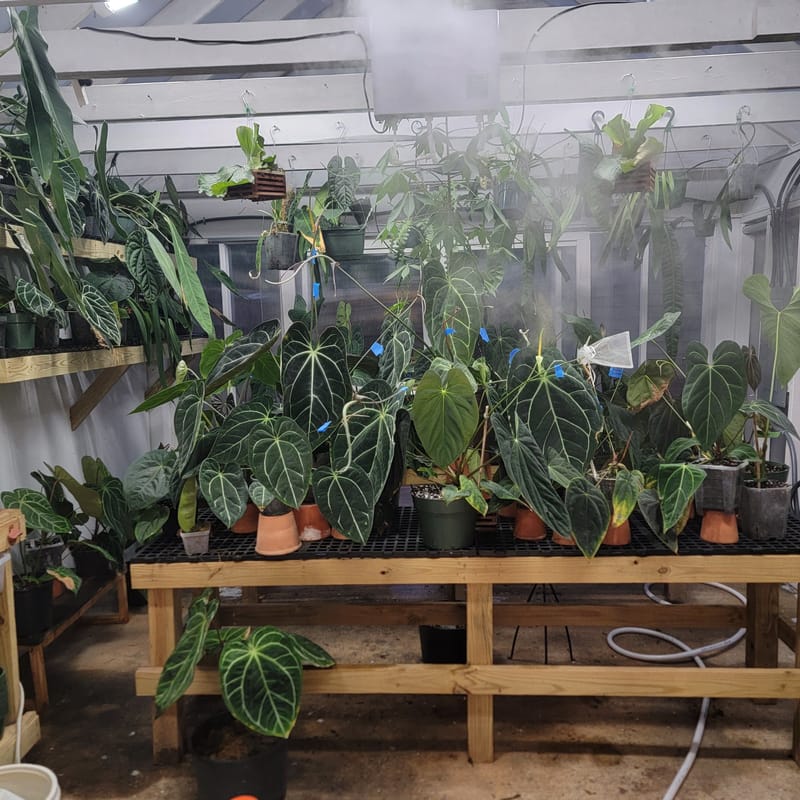
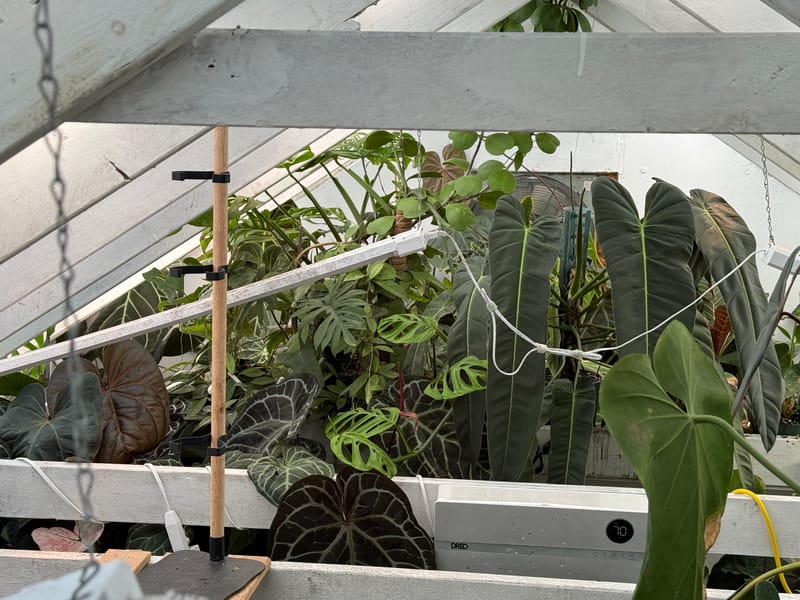
I started a small plant business from home to, frankly, offset what I was spending on plants, teaching myself how to grow them. In that process I developed - and continue to develop - the meaning behind it. More than additional income to support my family, a way to share the joy of growing these plants. To offer connections to places many of us recognize as vital but aren't able to be among, at least regularly. Something that links your living room or studio apartment to an ecosystem that informs your life, even if it is on the other side of the planet.
For the first few years, I spent time learning how to grow whatever seemed interesting - aroids or otherwise. I shared the ones I grew successfully through local plant-oriented Facebook groups - shoutout to Columbus/Ft Benning Houseplants - as well as Market Days Saturdays in downtown Columbus. Those first two or three years were about figuring out what I was doing, and what I wanted to do.
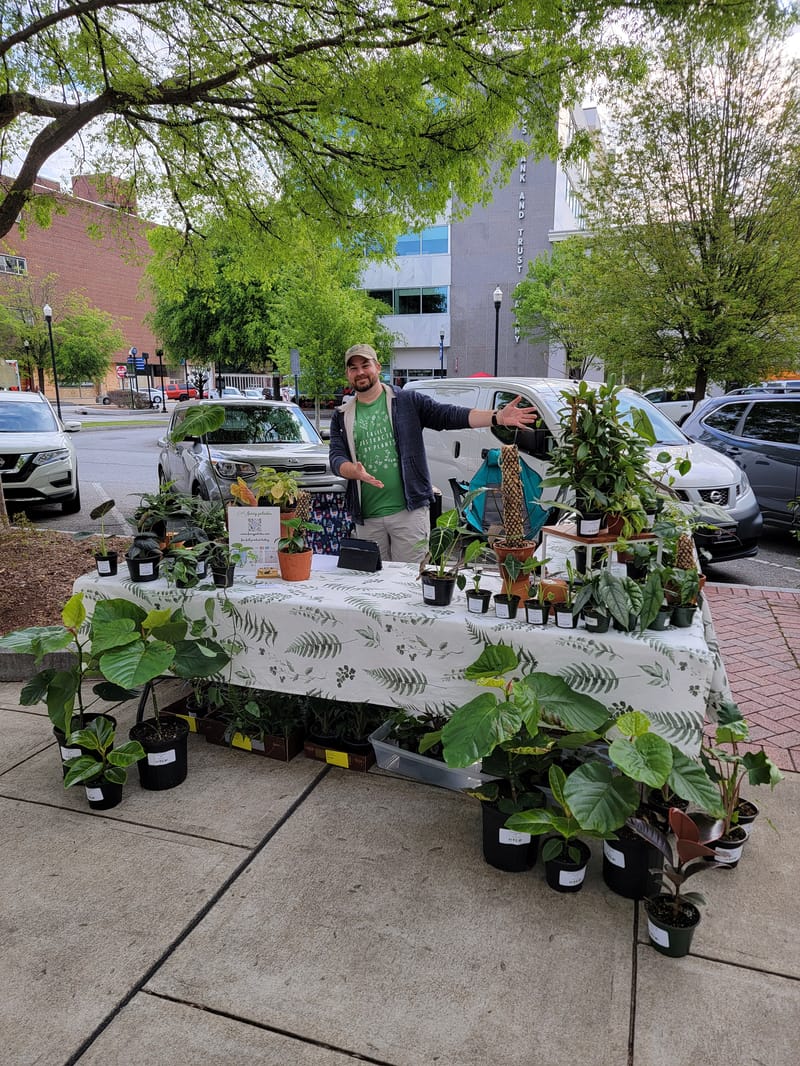
Market Days, downtown Columbus, GA. Spring 2022.
I keep pricing fair to keep plants accessible. Most are $20-50. I want anyone who genuinely wants to grow an Anthurium - for the process, the connection, for the joy - to be able to do that. Stewardship isn't a price point thing. It's a relationship.